
When Should Kids Start Using Mouthwash? A Pediatric Dentist’s Guide
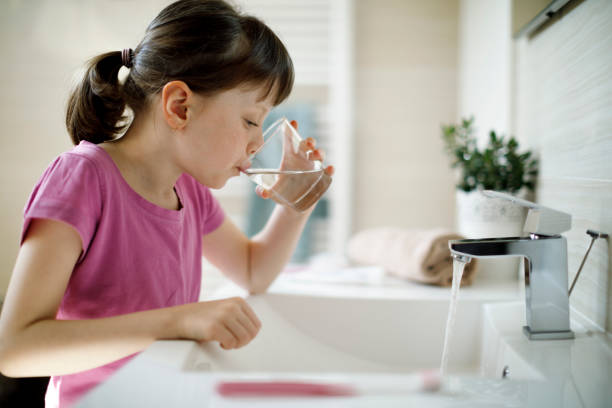
Mouthwash is one of those things parents often assume should automatically be part of a child’s oral hygiene routine. It smells fresh, looks simple enough to use, and is heavily marketed as a “complete” way to clean teeth. But in pediatric dentistry, the answer to whether kids should use mouthwash—and when to start—is more nuanced than many people expect.
At Kids Healthy Teeth in Katy, TX, Meet Dr. Elizabeth Chen and Meet Dr. Sheryl Hunter Griffith help families understand when mouthwash is actually beneficial for children and when it is unnecessary or even inappropriate. The truth is that most kids do not need mouthwash early on, and for some, starting too soon can create more risk than benefit.
Mouthwash Is Not a Required Step for Kids
The most important thing parents should understand is that mouthwash is optional for children, not essential.
For young patients, the foundation of oral health is still very simple: brushing twice a day with fluoride toothpaste and flossing once teeth begin to touch. When these habits are done consistently and correctly, they are far more effective at preventing cavities than any rinse alone.
Mouthwash is best thought of as an additional tool that may support oral hygiene in certain situations, not a replacement for brushing or flossing. Pediatric dentists prioritize strong habits first before introducing anything extra that could complicate a child’s routine.
Age Is the Most Important Factor
When it comes to deciding when kids can start using mouthwash, age matters more than anything else.
Most pediatric dentists recommend avoiding mouthwash entirely for children under six years old. At this stage, kids are still developing the ability to rinse and spit properly, which increases the risk of swallowing the product. Even child-friendly formulas can contain ingredients that should not be ingested in larger amounts.
Between ages six and twelve, mouthwash may be introduced in limited situations, but only if a child can reliably spit and follow instructions. Even then, it is usually done under parental supervision or based on a pediatric dentist’s recommendation.
Teenagers are typically the group most ready for independent mouthwash use, especially if it is part of a complete oral hygiene routine that already includes brushing and flossing.
When Mouthwash Can Be Helpful
While not necessary for every child, mouthwash does have its place in certain dental situations. For example, children who are more prone to cavities may benefit from a fluoride rinse if it is recommended by their pediatric dentist. This is especially common in patients who struggle with brushing thoroughly, have a history of frequent decay, or are undergoing orthodontic treatment such as braces.
In these cases, mouthwash may serve as an added layer of protection, but it is still secondary to brushing and flossing. It is not a solution on its own, and it works best when paired with strong daily hygiene habits.
Not All Mouthwashes Are the Same
One of the most common misconceptions parents have is that all mouthwashes are the same. In reality, there are important differences between them.
Cosmetic mouthwash is designed mainly to freshen breath. While it can make the mouth feel clean, it does very little to prevent cavities or strengthen enamel. Fluoride mouthwash, on the other hand, can help reduce decay risk by strengthening tooth enamel—but it should only be used when recommended by a dentist.
This distinction is especially important for children. Too much fluoride exposure can lead to dental fluorosis, which affects how permanent teeth develop. That is why pediatric dentists are careful about when and how fluoride rinse is introduced.
Brushing Still Does the Heavy Lifting
Even if a child uses mouthwash, it does not replace brushing or flossing in any way.
Brushing physically removes plaque and food debris from the surfaces of teeth. Flossing cleans between teeth where brushes cannot reach. Mouthwash can help reduce bacteria and temporarily freshen breath, but it does not clean teeth in the same mechanical way.
This is why pediatric dentistry continues to emphasize the basics. A strong routine built around brushing twice a day, flossing daily, and regular dental checkups remains the most effective way to prevent cavities and maintain long-term oral health.
How to Know If Your Child Is Ready
Readiness for mouthwash is not just about age—it is also about behavior and skill. A child should be able to rinse and spit without swallowing, follow multi-step instructions, and demonstrate consistency with brushing and flossing before introducing a rinse.
Even when these signs are present, it is still best to consult a pediatric dentist before starting. Every child develops differently, and what works for one patient may not be appropriate for another.
At Kids Healthy Teeth in Katy, TX, Meet Dr. Elizabeth Chen and Meet Dr. Sheryl Hunter Griffith evaluate each child individually to determine whether mouthwash would be helpful or unnecessary based on their oral health needs.
Common Mistakes Parents Should Avoid
One common mistake is introducing mouthwash too early, often with the assumption that it will “boost protection” against cavities. In reality, starting too soon can create swallowing risks or unnecessary exposure to fluoride.
Another issue is allowing children to use adult-strength mouthwash. Many adult formulas contain alcohol or higher concentrations of active ingredients that are not appropriate for younger patients.
It is also important not to rely on mouthwash as a fix for inconsistent brushing. If a child is struggling with brushing technique or motivation, the solution should focus on improving those core habits rather than adding additional products.
Building a Simple, Effective Routine
For most children, the most effective oral hygiene routine is also the simplest. Brushing in the morning and before bed, flossing once teeth begin to touch, and drinking plenty of water throughout the day provides a strong foundation for oral health.
Regular dental visits help reinforce these habits and allow pediatric dentists to monitor development, catch early signs of cavities, and recommend additional care only when necessary. Mouthwash can be introduced later if appropriate, but it should never be the centerpiece of a child’s oral care routine.
Final Thoughts for Parents
Mouthwash can be a helpful addition for some children, but it is not required for good oral health. The most important factors are consistency, proper technique, and age-appropriate habits. When in doubt, professional guidance is always the safest approach.
Parents should focus first on building strong brushing and flossing habits, then consider mouthwash only when recommended by a pediatric dentist based on individual needs.
Kids Healthy Teeth — Trusted Pediatric Dental Care in Katy, TX
Every child’s oral health journey is unique, and guidance from an experienced pediatric dental team makes all the difference. At Kids Healthy Teeth in Katy, TX, families receive personalized recommendations designed to support healthy development at every stage.
Whether you are wondering if your child is ready for mouthwash or looking to strengthen their overall oral hygiene routine, the team is here to help you make informed decisions with confidence.
Contact Kids Healthy Teeth today to schedule an appointment and take the next step toward a healthier, brighter smile for your child.