
What Are Dental Crowns for Kids and When Are They Needed?
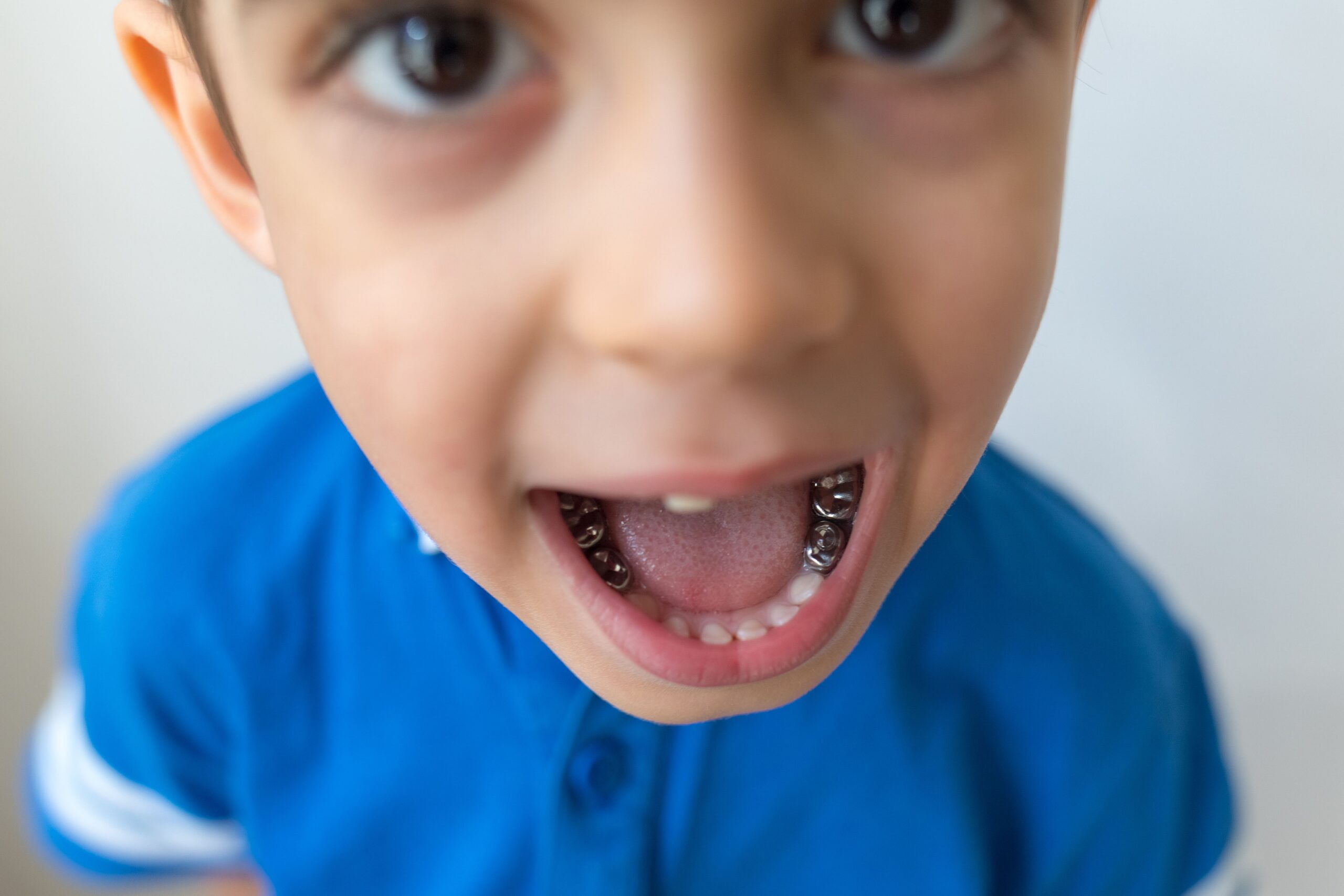
Hearing that your child needs a dental crown can be surprising, especially if you thought crowns were something only adults needed. In reality, dental crowns are commonly used in pediatric dentistry when a child’s tooth has too much damage for a regular filling to provide enough protection.
A crown covers the tooth, helping restore its shape, strength, and function while protecting the remaining tooth structure. For children, this can be especially important because baby teeth still play an important role in eating, speaking, and maintaining the proper space for permanent teeth.
So, when does a child actually need a crown? The answer depends on the condition of the tooth and how much healthy structure remains.
What Is a Dental Crown for a Child?
A dental crown is a restoration that fits over most or all of a damaged tooth. Rather than simply filling the area affected by decay, a crown surrounds the tooth and provides additional protection.
Pediatric crowns are often made from stainless steel, particularly when they are placed on back baby teeth. These crowns are preformed to fit children’s teeth and are cemented into place. Other materials may be considered depending on the location of the tooth, the child’s age, the condition of the tooth, and cosmetic considerations.
The goal isn’t simply to cover up a damaged tooth. A crown helps preserve the tooth so it can continue functioning until it is naturally lost or, in the case of a permanent tooth, for as long as possible. The American Academy of Pediatric Dentistry recognizes crowns as an appropriate treatment option for certain extensively damaged primary and permanent teeth.
Why Would a Child Need a Dental Crown?
One of the most common reasons is extensive tooth decay. A small cavity can often be repaired with a filling, but a tooth with decay affecting several surfaces may not have enough healthy structure left to support a traditional restoration.
In these situations, a crown can provide more complete coverage. Pediatric dental crowns may also be considered when a tooth has a developmental defect that makes the enamel weaker than usual or when a previous restoration is unlikely to hold up well.
Crowns can also be recommended after certain types of pulp treatment. If decay has reached the inner portion of a baby tooth and pulp therapy is necessary, a crown may be used afterward to protect the remaining tooth structure. Pediatric dental guidance specifically recognizes crowns as an option following procedures such as pulpotomy or pulpectomy.
Another possibility is a tooth that has been significantly damaged by an injury. Depending on the location and extent of the fracture, a crown may help restore the tooth and protect what remains.
Why Not Just Put in a Filling?
Parents sometimes wonder why a dentist would recommend a crown instead of a filling. It comes down to how much healthy tooth structure remains.
A filling repairs a specific area of the tooth. When a cavity is large or affects multiple surfaces, there may not be enough strong tooth structure to hold a filling securely. In that situation, repeatedly repairing the tooth may not be the best long-term approach.
A crown provides full coverage, allowing it to protect the remaining tooth from additional damage. Research and pediatric dentistry guidance have found stainless steel crowns to be particularly durable for certain heavily decayed primary teeth.
That doesn’t mean every cavity requires a crown. Dentists consider the size and location of the decay, the condition of the tooth, the child’s overall oral health, and how long the tooth is expected to remain in the mouth before recommending treatment.
Are Dental Crowns Safe for Baby Teeth?
Yes. The fact that baby teeth eventually fall out doesn’t mean they aren’t worth protecting.
Primary teeth help children chew and speak, and they help maintain space for permanent teeth developing underneath them. Losing a baby tooth too early can sometimes create problems with the positioning of the developing permanent teeth.
When a primary tooth is significantly damaged but still needs to remain in place, preserving it can be preferable to extracting it. A crown can provide that protection when a regular filling isn’t sufficient.
Of course, treatment is individualized. Not every damaged baby tooth needs a crown, and not every cavity requires extensive restorative treatment. Current pediatric dentistry approaches emphasize assessing each child’s individual risk and choosing the least invasive treatment that can effectively manage the problem.
What Happens When a Child Gets a Crown?
The exact process depends on the tooth and the treatment needed, but the dentist first evaluates the tooth to determine how much damage is present. X-rays may be recommended to look at areas that cannot be seen during the examination.
If a crown is appropriate, the damaged or decayed portions of the tooth are addressed so the crown can fit properly. The crown is then adapted to the tooth and secured with dental cement.
For children, the experience is also about more than the dental procedure itself. A pediatric dental team considers the child’s age, comfort, ability to cooperate, and understanding of what’s happening. Explaining the procedure in age-appropriate language can help make the appointment feel much less intimidating.
How Can Parents Help Prevent the Need for Crowns?
The best dental crown is often the one a child never needs. Regular preventive care can help identify small problems before they become extensive.
Encourage your child to brush twice a day with fluoride toothpaste, help younger children brush effectively, and make regular dental visits part of their routine. Paying attention to frequent snacking and sugary drinks can also help reduce the risk of tooth decay.
It’s also important not to wait for a child to complain about tooth pain. Cavities can become fairly advanced before causing noticeable symptoms. Regular examinations allow a dentist to identify developing problems and determine whether preventive care, a smaller restoration, or more extensive treatment is appropriate.
Protect Your Child’s Smile With Kids Healthy Teeth
If your child has extensive decay, a damaged tooth, or has been told they may need a crown, getting answers from a pediatric dental team can help you understand the available options. Elizabeth Chen DDS & Sheryl Hunter Griffith at Kids Healthy Teeth provide care focused on children’s dental needs in Katy and Fulshear, TX. If you’re searching for a Katy orthodontist or simply looking for a trusted dental team to help protect your child’s developing smile, schedule an appointment to discuss your child’s needs and treatment options.